Manufacturing Extension Partnership (MEP) Chaos: How Texas and Houston are Impacted
Much has been reported recently on the state of the Department of Commerce’s NIST Manufacturing Extension Partnership program, or MEP. The program has been around since 1988, enacted to help small- and medium-sized U.S. manufacturers improve competitiveness, in a nutshell.
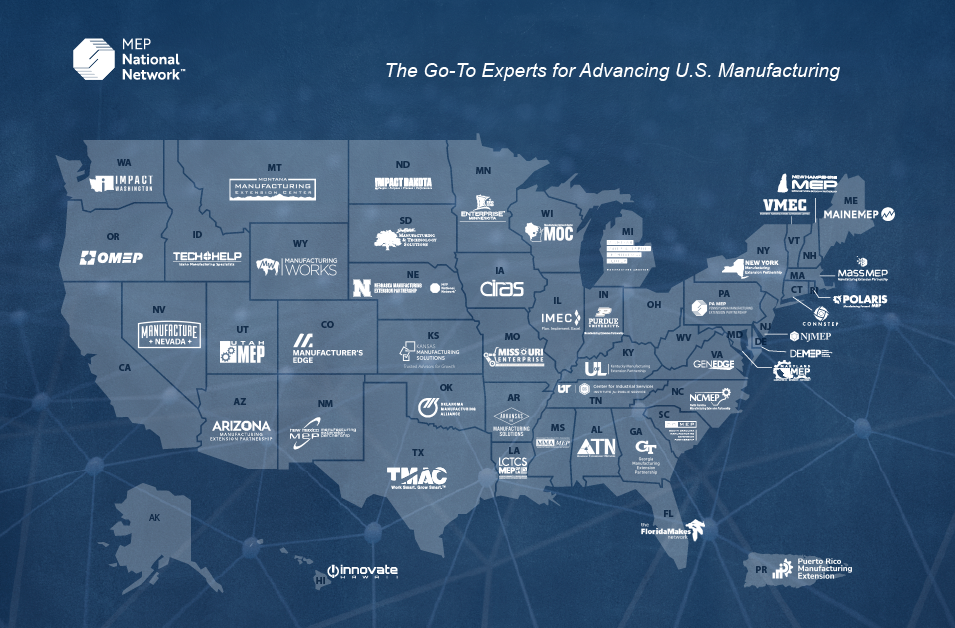
It’s a worthy goal that’s led the efforts of all 50 MEP centers – one per state – including the Texas MEP, TMAC, or Texas Manufacturing Assistance Center. Centers receive federal dollars to offset expenses incurred to support manufacturers.
Yet a blistering report released late in 2024 from Commerce’s own auditor provided critics the opening they were looking for to kill the program – led by the Trump administration, who tried to defund the program in 2016 and today, has doubled down on efforts to scrub the budget of any MEP funding.
Those efforts have been thwarted by powerful friends and allies, including governors, congressional delegations, and corporate influencers. Funds have been clawed back. But it’s short-term funding; today the program is on life-support.
Centers aren’t waiting around for the final ax to fall. In Massachusetts, the MEP is transitioning to a trade association model. The California MEP, long a network stalwart, simply morphed into a service provider. Every Center is assessing a path forward.
For its part, TMAC is staying the course. I asked Rodney Reddic, TMAC’s Executive Director, about the Center’s future. “We have strong support from both Democrat and Republican representation across the nation, and we feel that the funding will be restored with the help of ASMC,” he wrote to me. The American Small Manufacturers Coalition (ASMC) is MEP’s Washington D.C.-based lobbyist. Reddic added, “This has happened on several occasions in the past, but we always get the funding restored.”
But truth be told, there’s no shortage of MEP critics.
I’ve worked with multiple MEPs over the years – including TMAC. It’s been a stellar program, led by good people. Thousands of companies have benefitted. But if the MEP network survives, I think Houston manufacturers would benefit from key reforms.
-
Spread the wealth. In Texas, your perspective on TMAC may depend on where your business is located. Support varies widely. TMAC spreads its federally-subsidized resources and services via a network of so-called “sub-recipients” – or regional nodes. In Greater Houston, UH is the new sub-recipient. TMAC and UH have work to do to be a true market-wide influencer here, in Texas’ largest manufacturing ecosystem.
Others:
-
Re-brand the MEP and align it with established, pro-manufacturing agencies. The name is clunky and truly, a vestige of the last century. Before changing the brand, find a home in the Federal bureaucracy aligned with its core mission: advancing US manufacturing. There are lots of potential landing spots, including the SBA, which has been a rumored destination.
-
Reformulate the desired outcomes of MEPs work. Trump’s team may be overly critical, but the current toolkit that many MEPs carry to market is indeed dated. Plus, many MEP Centers are no more than pass-through entities to sell consulting services. Subsidized by tax dollars. Which is fine, unless the Centers are competing with other service providers, which they are. Or if in excluding any vendor from their toolkit, expertise is lost in the process. Which it is.
-
Change the way Centers are evaluated. MEPs are evaluated from “surveys” of customers meant to gauge the economic impact of services provided. It sounds great. But the process tends to lead MEPs to sell services it favors or can more easily measure. And collecting the data is a slog. Confirming its veracity is, well, difficult. Reimage the KPIs!
Even if the Trump administration wins, and the MEP network loses, something new will take its place. Manufacturing Centers of Excellence should be a national priority. Arm it with the tools needed to help Houston and Texas manufacturers compete.
We’ll report on how other MEPs are adapting or evolving in the weeks ahead.
Bart Taylor is executive director of the Greater Houston Manufacturers Association and founder of Inside MFG. Reach him at [email protected].